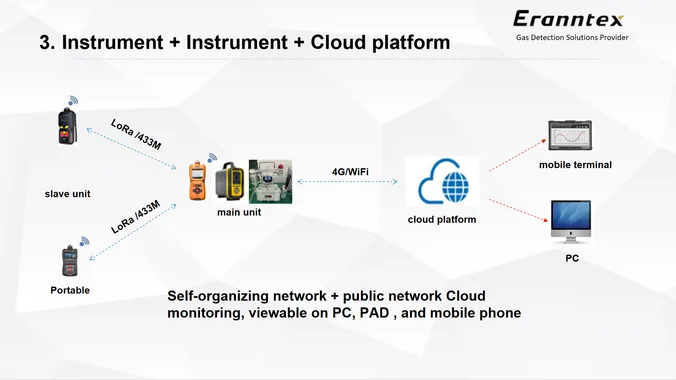
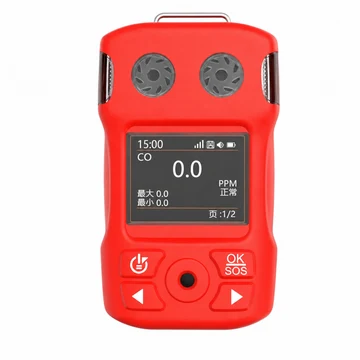
BTYQ-MS104K-S2
MS104K-S2 Portable Single- or Two-Gas Detector
A portable diffusion gas detector configurable for single- or two-gas monitoring.
- Gas configuration
- Standard: 1–2 gases
- Sampling
- Diffusion
- Ingress
- IP68
- Data storage
- > 1,000,000 records
Gas detection
Choose an H2S gas detector around the monitoring task, required measuring range and sampling conditions. Review Eranntex model options for portable, transportable, fixed and online monitoring equipment, then confirm the sensor configuration and project requirements before requesting a quotation.
In the United States occupational context, the CDC/NIOSH Pocket Guide identifies hydrogen sulfide as a workplace chemical hazard. Monitoring helps organizations evaluate H2S conditions against their site procedures and applicable requirements. This page does not prescribe exposure limits, alarm settings or entry criteria; those requirements must be established for the relevant jurisdiction and task.
Compare options within the required measurement unit, then use the product links to review each model's specifications and available documents. The ranges, resolutions and sampling arrangements belong to the individual model shown; they are not a combined specification for one detector.
Each listed gas-and-range option describes a documented capability for that model. It does not identify an installed gas combination or a confirmed orderable configuration. Confirm the required gases, ranges and sampling arrangement for your project.
For BTYQ-MS104K-S1, confirm the sensing principle for the selected H2S range; the published model information does not assign a sensing principle to that option.
Review model-specific documented ranges, resolutions and sampling methods before confirming a configuration.
| Product model | Product category | Documented range | Resolution | Sampling | Product link |
|---|---|---|---|---|---|
| BTYQ-MS104K-L | Portable Gas Detection |
|
| Pump | View BTYQ-MS104K-L |
| BTYQ-MS104K-M | Portable Gas Detection |
|
| Diffusion (standard) or Pump (standard) | View BTYQ-MS104K-M |
| BTYQ-MS104K-S1 | Portable Gas Detection |
|
| Diffusion | View BTYQ-MS104K-S1 |
| BTYQ-MS104K-S2 | Portable Gas Detection |
|
| Diffusion | View BTYQ-MS104K-S2 |
| BTYQ-MS400-S | Portable Gas Detection |
|
| Diffusion (standard) or Pump (standard) | View BTYQ-MS400-S |
| BTYQ-MS600-S | Portable Gas Detection |
|
| Pump | View BTYQ-MS600-S |
| BTYQ-MS600-S1 | Portable Gas Detection |
|
| Pump | View BTYQ-MS600-S1 |
| BTYQ-MS600-S2 | Portable Gas Detection |
|
| Pump | View BTYQ-MS600-S2 |
| BTYQ-PTM600-S | Transportable Gas Detection Systems |
|
| Pump | View BTYQ-PTM600-S |
| BTYQ-PTM600-S2 | Transportable Gas Detection Systems |
|
| Diffusion | View BTYQ-PTM600-S2 |
| GTYQ-MIC-500S | Fixed Gas Detection |
|
| Diffusion | View GTYQ-MIC-500S |
| GTYQ-MIC-500S-CB | Fixed Gas Detection |
|
| Diffusion | View GTYQ-MIC-500S-CB |
| GTYQ-MIC-600 | Fixed Gas Detection |
|
| Diffusion | View GTYQ-MIC-600 |
| GTYQ-MIC-600-CB | Fixed Gas Detection |
|
| Diffusion | View GTYQ-MIC-600-CB |
| Product model | Product category | Documented range | Resolution | Sampling | Product link |
|---|---|---|---|---|---|
| TH-2000-OU | Gas Monitoring & Analysis Systems |
|
| Diffusion | View TH-2000-OU |
Each row describes documented Product capability. It does not represent a confirmed SKU, an installed detection channel, a standard stock configuration, or permission to combine H2S with any other supported gas.
BTYQ-MS104K-S2
A portable diffusion gas detector configurable for single- or two-gas monitoring.
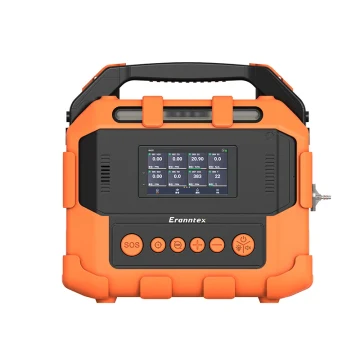
BTYQ-PTM600-S
A modular pumped analyzer for multiple gases and selected environmental measurement factors.
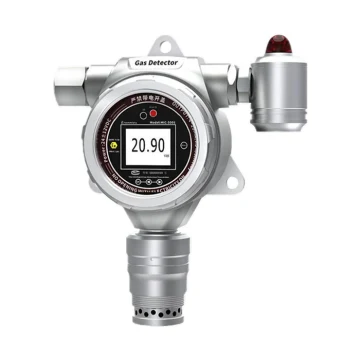
GTYQ-MIC-500S
A fixed detector for continuous monitoring of one selected gas with industrial analog and digital outputs.
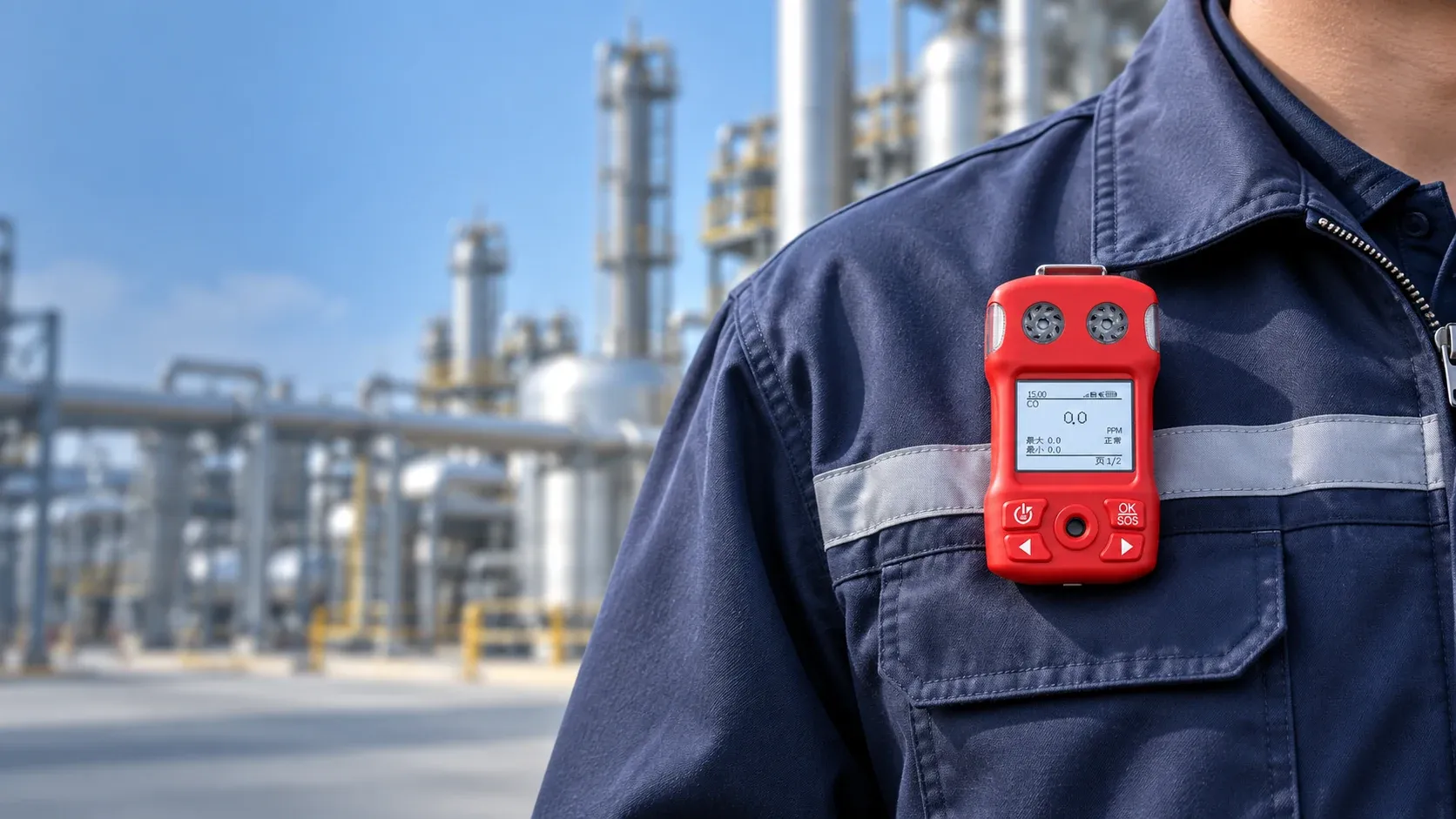 Application
Portable gas detectors monitor selected gases and provide local alarms for workers in industrial environments. Match the gas configuration, measuring ranges and sampling method to the task and site conditions.
Review the monitoring task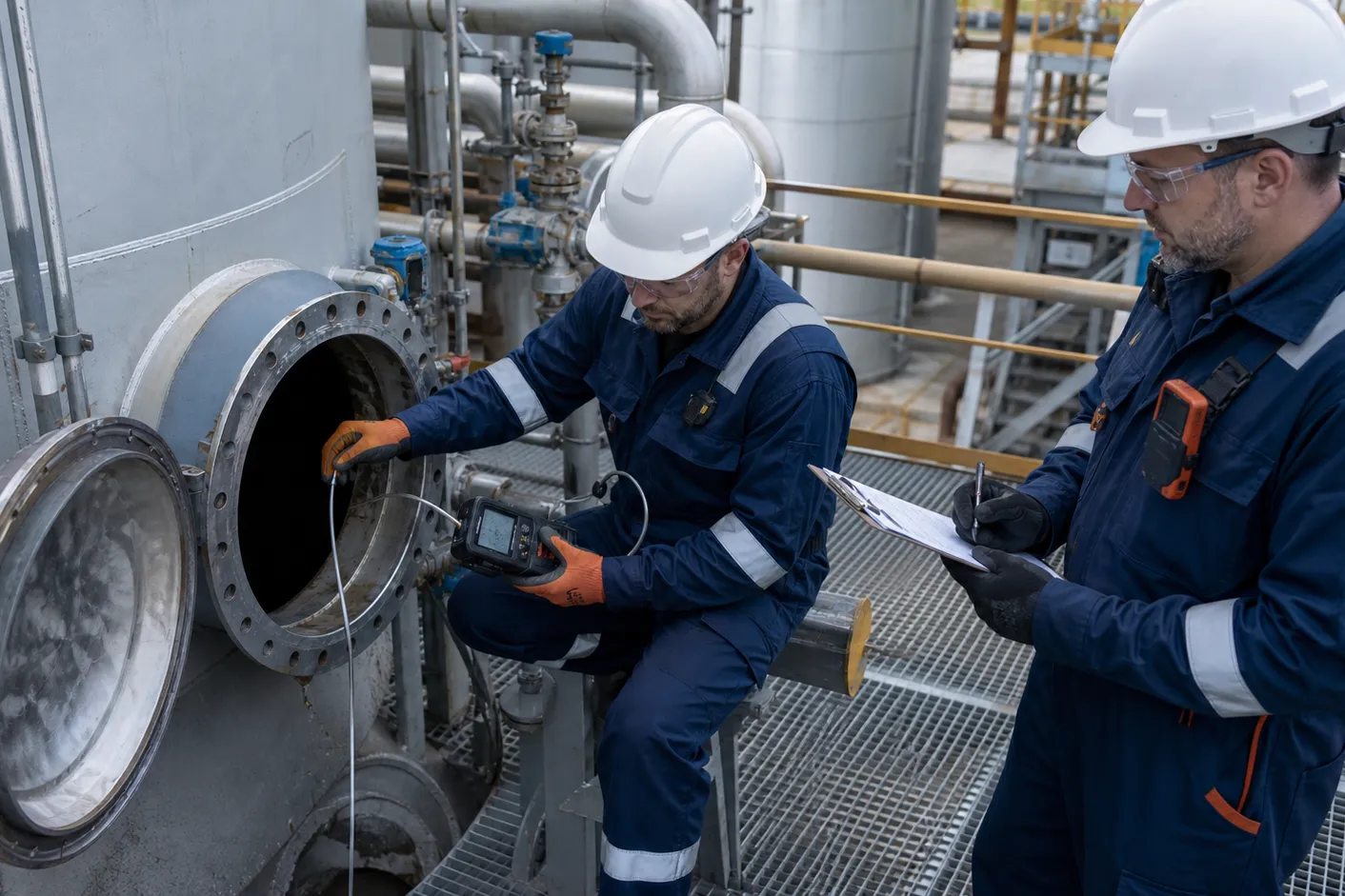 Application
Define two separate monitoring tasks: remote atmospheric testing before entry and continued monitoring while people are inside. Select gases from the site hazard assessment, then confirm sampling points, the pump, probe and line arrangement, instrument response and the equipment details needed for the inquiry.
Review the monitoring task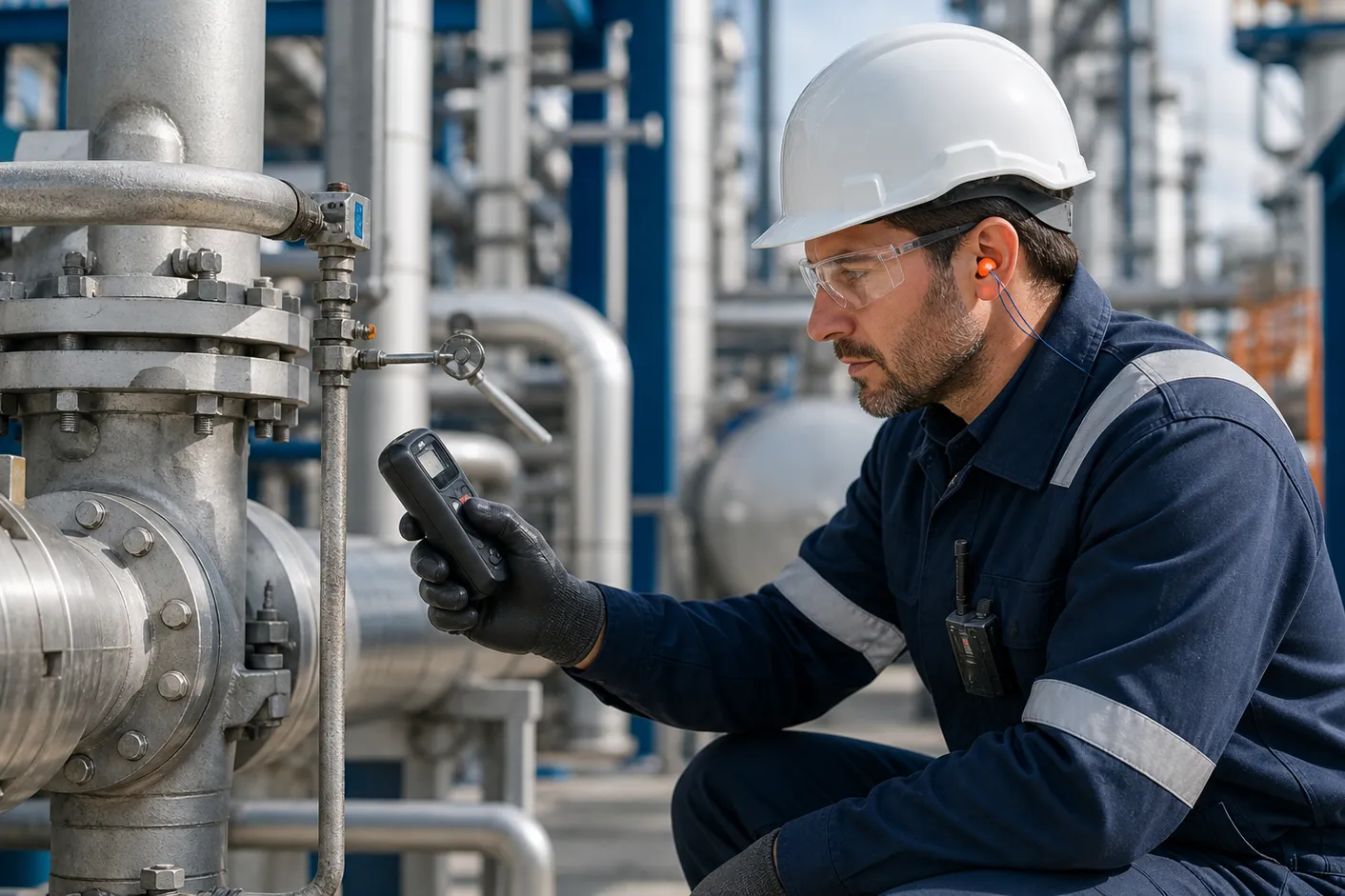 Application
Industrial gas leak detection helps teams identify selected gas hazards around equipment, pipework and work areas. Portable instruments support inspection and investigation, while fixed detectors provide continuous monitoring at selected points.
Review the monitoring task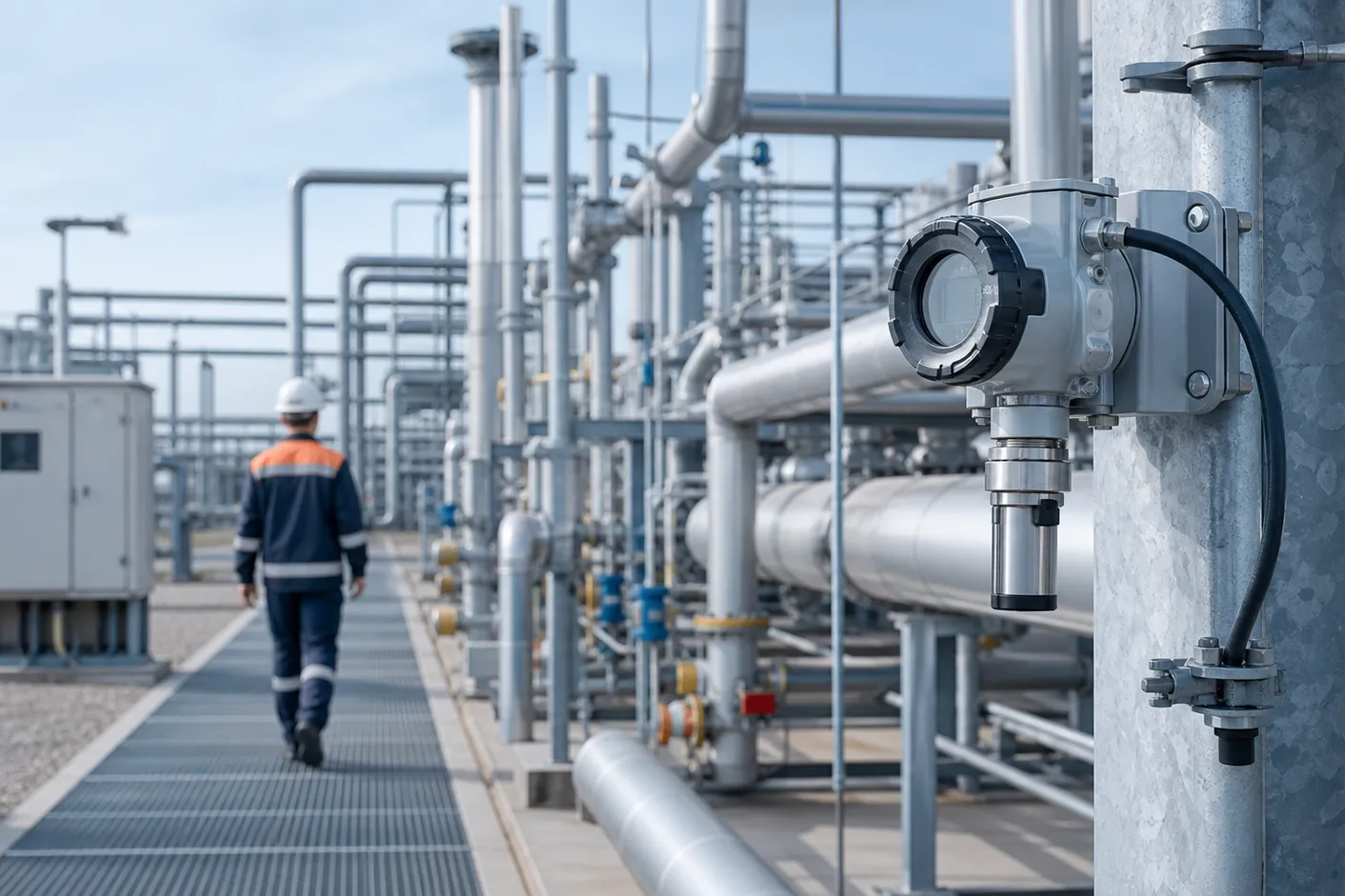 Application
Fixed and online gas monitoring systems provide ongoing visibility at selected industrial locations or sample points. Detector placement, sample handling, signal integration and alarm response should work together as one monitoring approach.
Review the monitoring task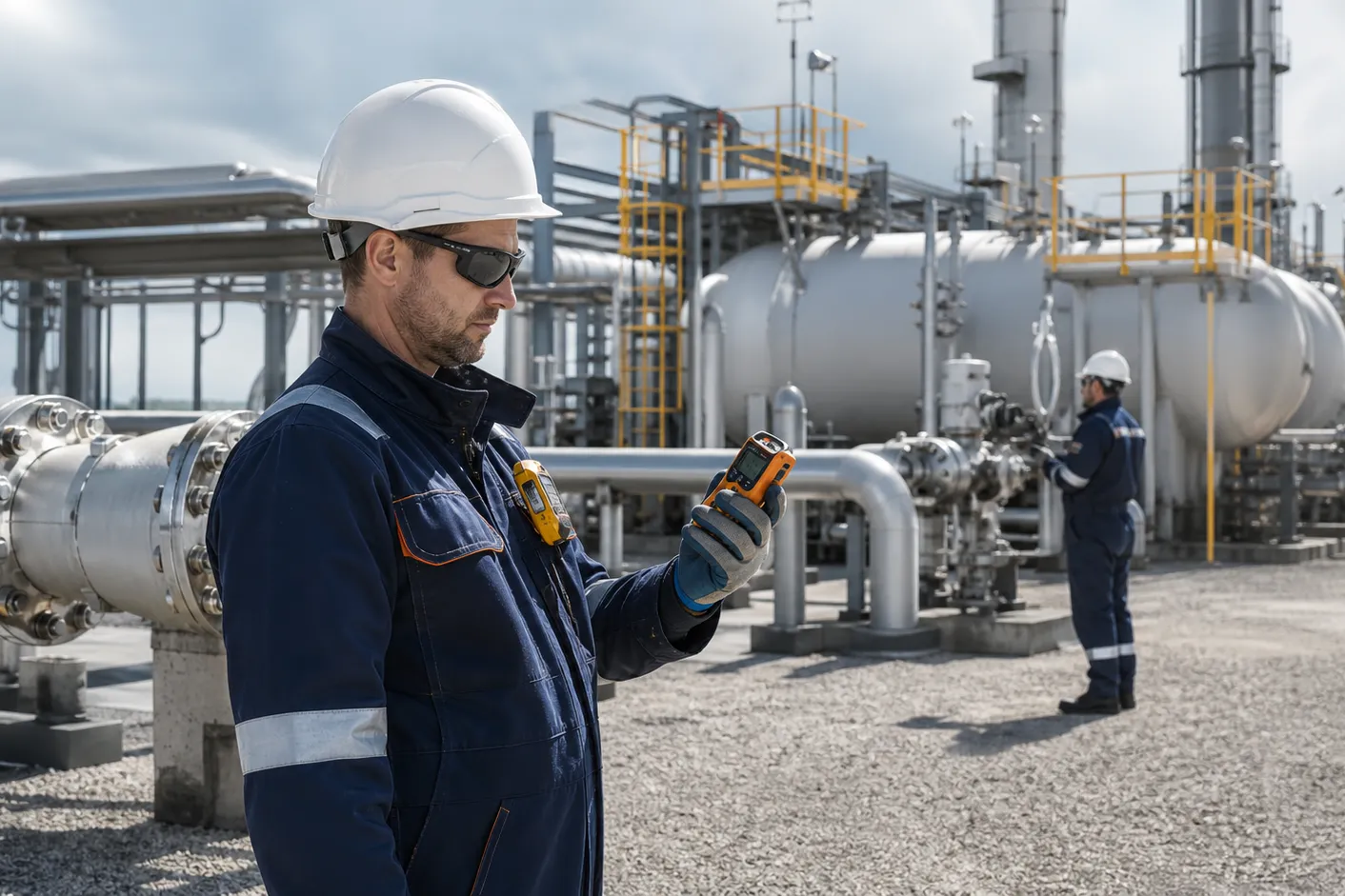 Industry
Oil and gas projects span mobile worker protection, continuous release-point detection and conditioned process sampling. Define the target gases, operating conditions and site response before selecting portable, fixed or online equipment.
Explore operating context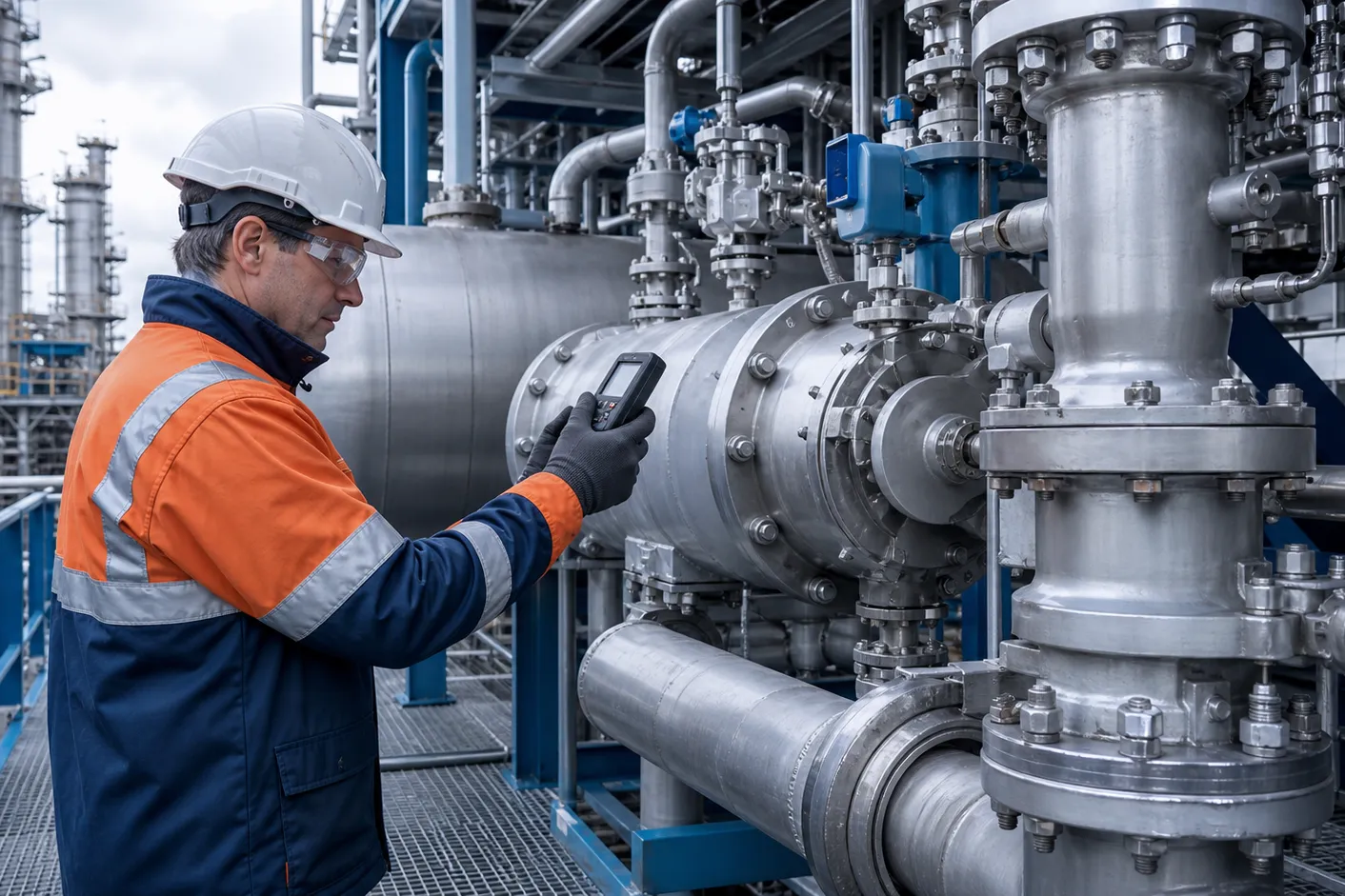 Industry
Define the target gases, measuring ranges and installation conditions for your process. Review the selected model's documentation and applicable certificate scope before specifying a configuration.
Explore operating context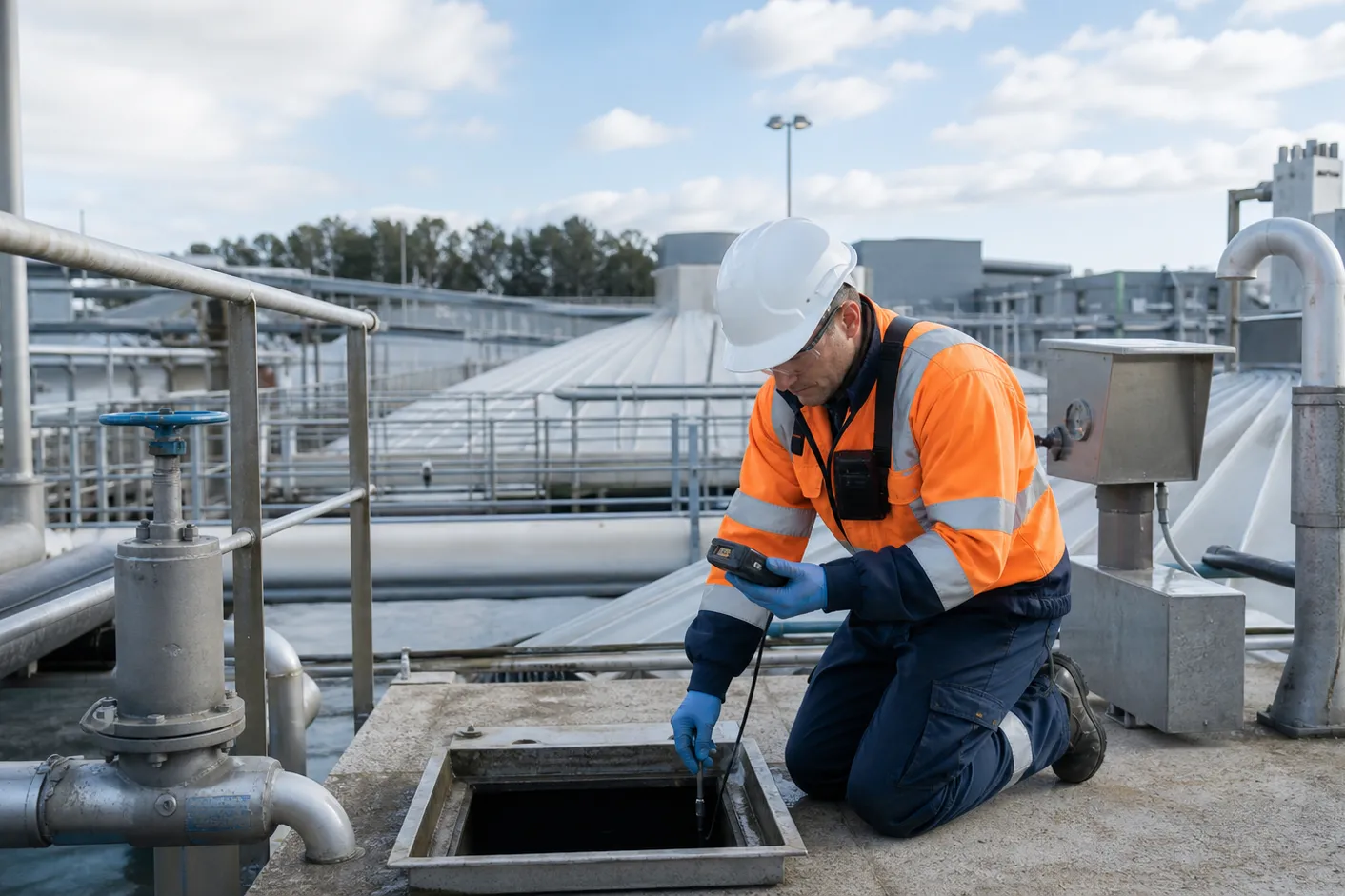 Industry
For water and wastewater projects, describe the target gases, sampling location and expected humidity or condensation. Assess the detector configuration and any sample-conditioning requirements for the specific installation.
Explore operating contextProvide the required unit and range, monitoring task, sampling method, deployment type, operating environment, applicable standard or jurisdiction, and any other gases that must be monitored.
Final product configuration, gas combinations and orderable details require technical confirmation.