Skip to content
Industrial gas detection for demanding environments
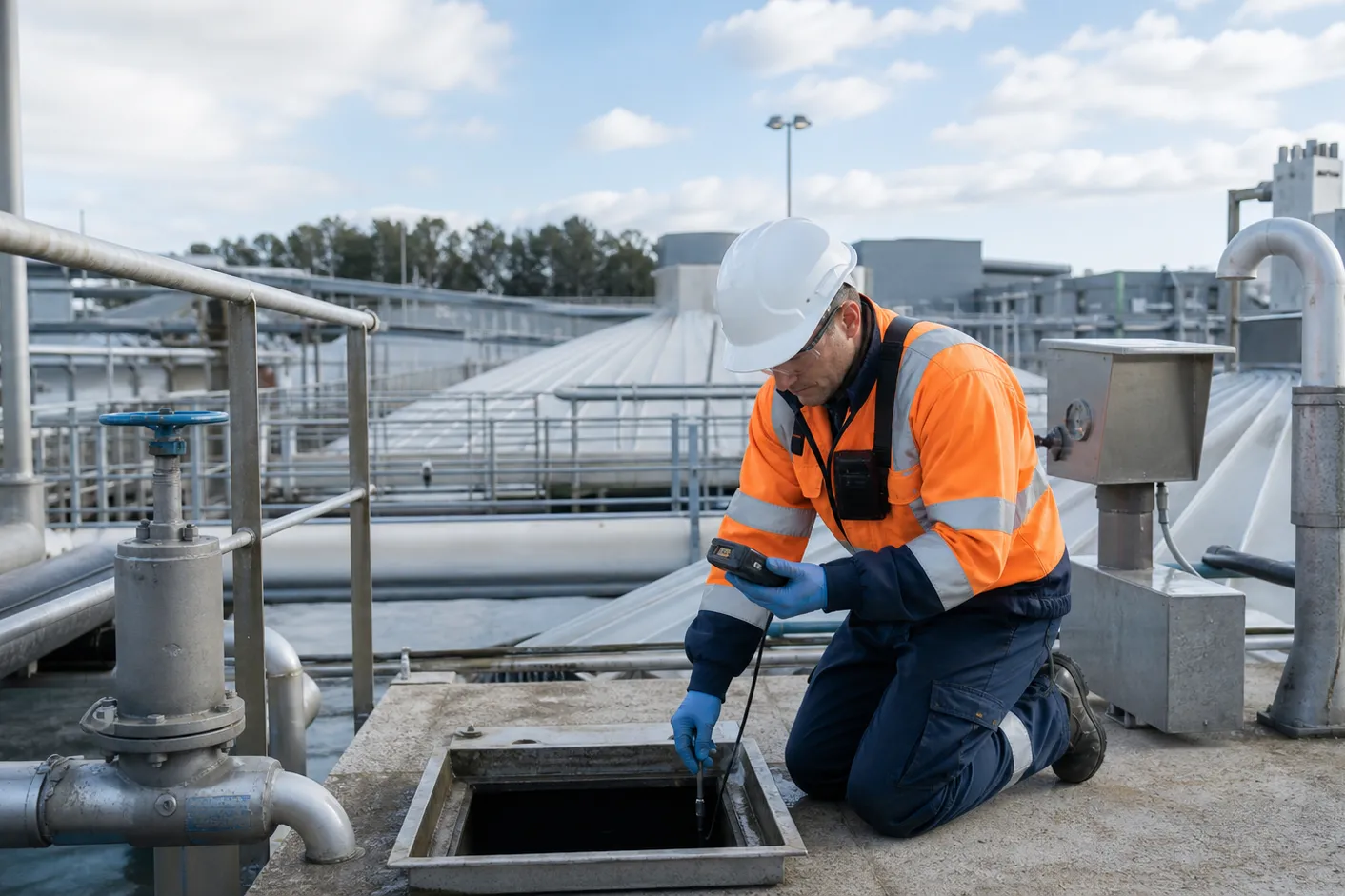
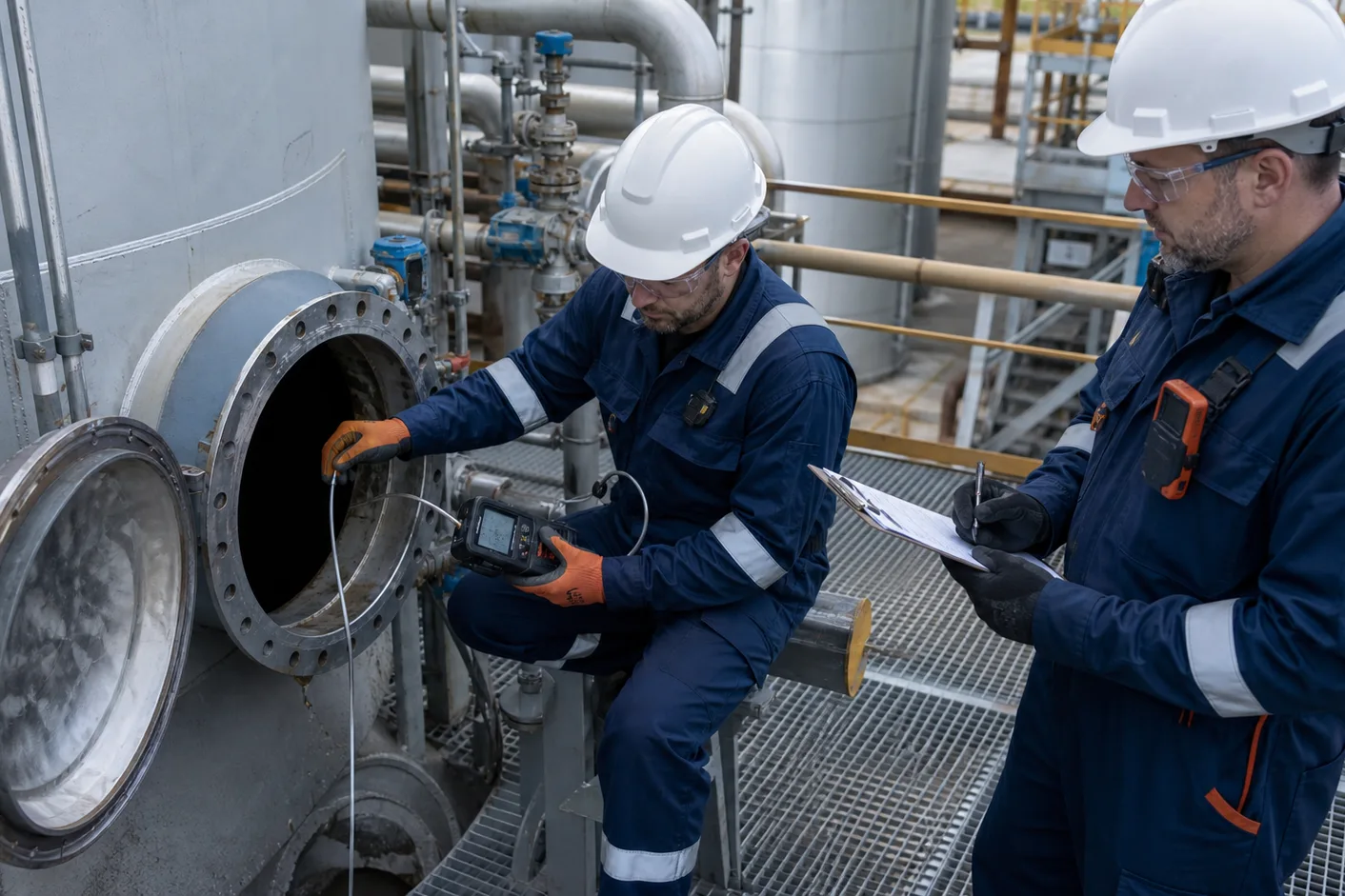
Field team using remote gas sampling equipment outside a vessel access opening

Monitoring application

Gas Detection for Confined Space Entry

Define two separate monitoring tasks: remote atmospheric testing before entry and continued monitoring while people are inside. Select gases from the site hazard assessment, then confirm sampling points, the pump, probe and line arrangement, instrument response and the equipment details needed for the inquiry.

Separate pre-entry testing from monitoring during work

Plan pre-entry sampling locations along the intended path and at different levels where the atmosphere may be stratified. A result at the access opening alone may not represent conditions deeper inside the space. For US general-industry work governed by 29 CFR 1910.146, atmospheric testing is used to evaluate hazards and verify acceptable entry conditions immediately before and during entry.

A pre-entry result describes the atmosphere at the sampled locations and time. Conditions can change after work begins, so the site entry programme must define monitoring locations, timing, any continuous-monitoring requirement and the actions required when an alarm occurs.
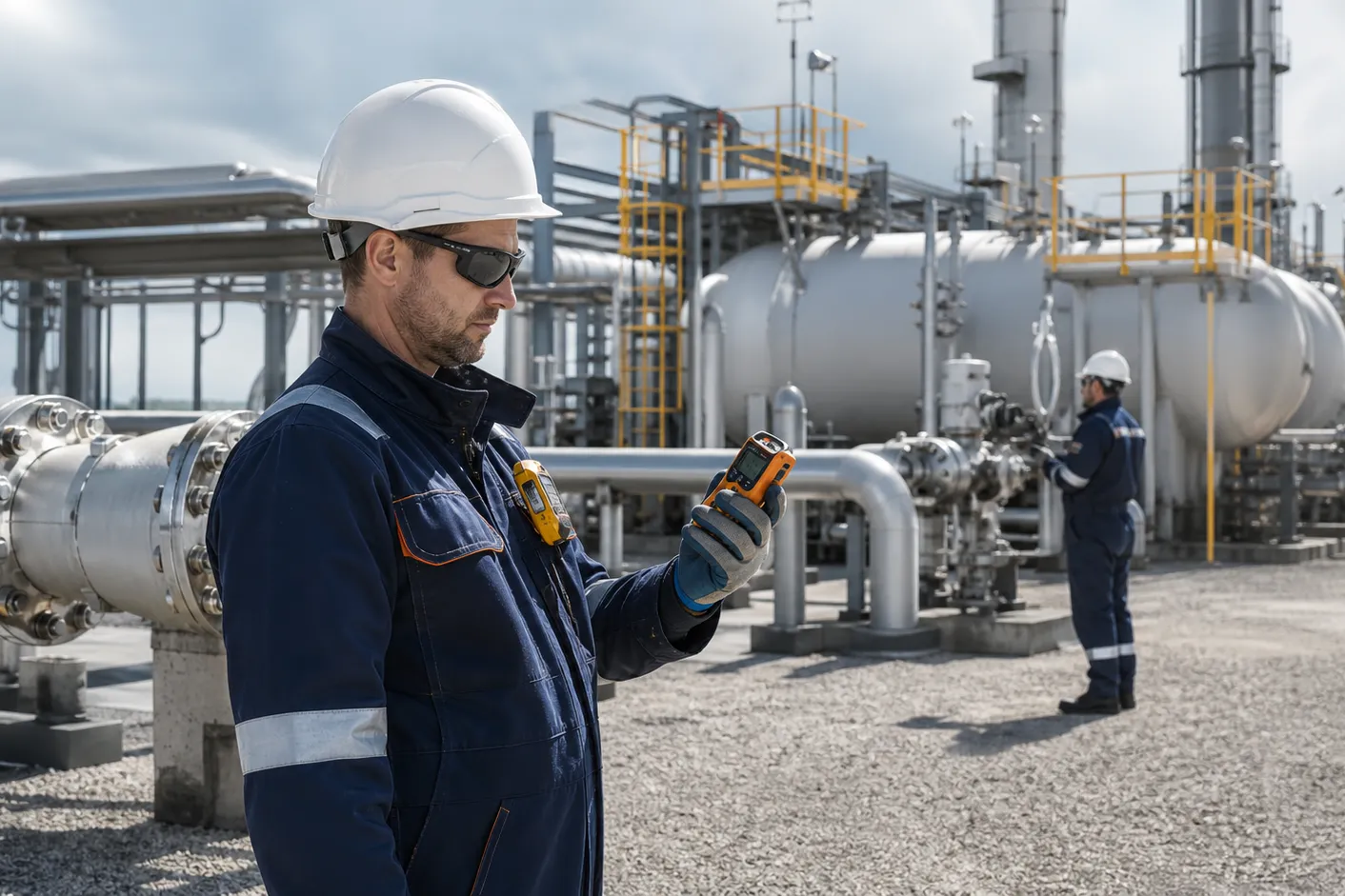
Match detection to the identified hazards

Assess oxygen deficiency or enrichment, flammable gases and vapours, and the toxic contaminants identified for the process and work activity. Carbon monoxide (CO) and hydrogen sulfide (H2S) may be relevant, but a four-gas configuration does not cover every possible confined-space hazard.

Select each required gas, measuring range, unit and sensor principle from the site assessment, then confirm which gases the proposed configuration can monitor simultaneously. OSHA 29 CFR 1910.146 Appendix B describes testing oxygen first, combustible gases next and toxic gases last for the covered US general-industry context; the applicable site procedure remains controlling.

Define the sampling arrangement

Remote pre-entry testing can require a pump, probe and sample line so the operator can draw atmosphere from planned points while remaining outside. Monitoring during work is a separate task: define where the instrument will be carried or positioned and whether the required configuration and sampling mode suit that task.

Confirm the detector, pump, probe, filters and sample line as a compatible system for the target gases and site conditions. Allow for sample transport, line purging and the manufacturer's specified instrument response time at every point. Hose length alone does not establish a universal waiting time.

Prepare the equipment requirement

For an equipment inquiry, provide the required gases, ranges and units; simultaneous detection count; pre-entry sampling points; pump, probe and line requirements; how the detector will be used during entry; battery-runtime and data-recording needs; site conditions; required documents; and destination market.

Before use, confirm instrument checks, calibration, sample-line condition and the site's alarm, evacuation and rescue arrangements. A detector reading or product relationship on this page does not authorize entry or replace the employer's permit-space programme.

Product for further evaluation

Related guidance

CHECKLIST & TOOLSGas Detector Quotation Preparation Checklist
View checklist

Common application questions